Training collars: firm, purposeful, and worn with attention
A firm, often tall collar meant to encourage a posture or a habit, effective in the right hands and short sessions, with safety demands that put it a step beyond a beginner's first collar.
Strengths
- Encourages a deliberate posture or a settled collared habit
- Firm construction gives a strong sense of structure and focus
- Ranges from gentle habituation bands to tall supportive designs
- Well-made versions can feel supportive rather than merely tight
Trade-offs
- Firmer, taller designs restrict movement and need real care
- Poor fit can press on the throat, which is never acceptable
- Not made for sleep, long wear, or being left on unattended
- A step beyond a comfortable first collar for most people
A training collar is a firm collar, often tall and posture-style, used to encourage an upright posture or the habit of being collared. It suits people ready for a more structured experience, and because the firmer versions restrict movement it is best kept to shorter, supervised wear with the two-finger fit rule strictly observed.
A training collar is a firm collar worn with a purpose. Sometimes that purpose is posture, holding the head up and the neck straight. Sometimes it is simpler, building the everyday habit of being collared. The band is usually stiffer than a day collar and often taller, and that firmness is what does the work.
Because the type covers such a range, the honest advice depends on how firm the piece is. A gentle habit-building band asks little of you. A tall, rigid design asks for the same care as a posture collar, and that difference is the thing to get straight before you buy.
What a training collar does
The type covers a spectrum. At the gentle end, a firm but plain band is worn to settle someone into the routine of being collared, with no strong restriction involved. At the demanding end sits the tall, rigid design that cups under the chin and holds the head upright, which is really a posture collar by another name. Most training collars in the wider Catalog fall somewhere between.
What they share is intent. A training collar is chosen to encourage something rather than simply to be worn, and the firmness is the tool. That makes it a more structured experience than a soft everyday piece, and it means the firmer the collar, the more attention its use demands.
Who it suits
It suits people ready for something more deliberate than a first collar, who understand what they are trying to encourage and will pay attention while wearing it. For a gentle habit-building band, most people are fine. For a tall, restrictive design, the honest advice matches the posture collar: come to it with some experience and, ideally, an attentive partner.
If you are completely new, start softer. A comfortable day collar teaches you how your own neck feels about being collared, and you can step up to a firmer training piece once that is familiar. There is no prize for beginning with the strictest option.
Materials and construction
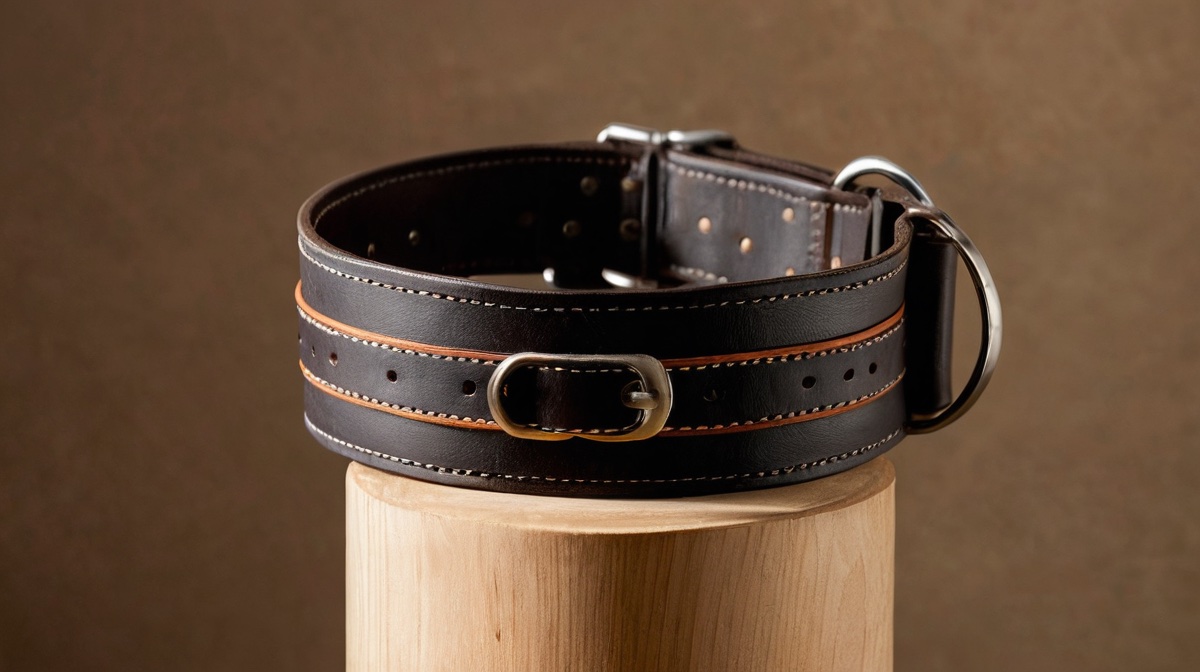
Firmness has to come from somewhere, so training collars are often stiffened leather or a rigid metal band. A well made leather version can be firm and still kind to the skin, which is the standard to aim for. Rigid designs need smooth, rounded edges, because a stiff collar with a hard edge will dig in over even a short session.
Check the hardware as you would with any collar. A solid buckle or fastening that holds its setting is essential for a piece meant to keep its shape. Nickel is worth watching on metal designs if your skin reacts, so favour stainless steel or titanium and confirm the material. The leather versus steel collars guide is useful if you are weighing a soft firm band against a rigid metal one.
Fit is a safety issue
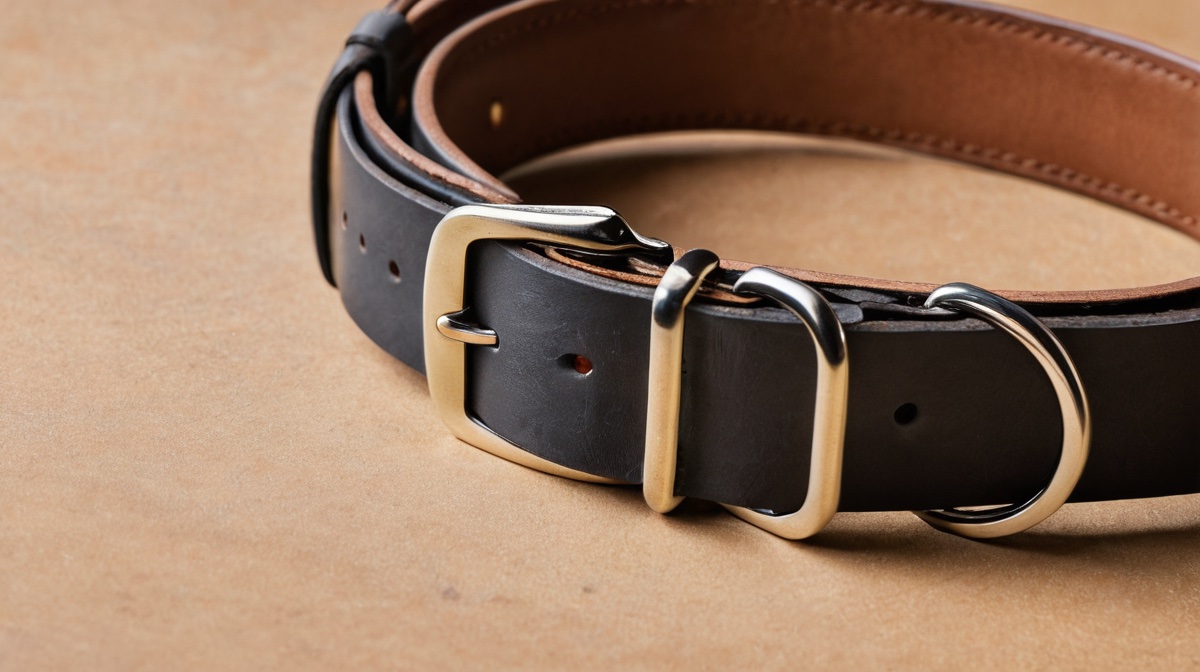
With a firm collar, fit stops being only about comfort and becomes a safety step, exactly as it does with a posture collar. The two-finger rule holds: you must be able to slip two fingers between the collar and your neck, and it must never press on the windpipe at the front of the throat. Breathing and swallowing should stay easy the entire time.
Keep sessions with the firmer designs short while you learn. A training collar is not for sleeping in or leaving on while attention wanders, and no one should ever be left unattended in a restrictive piece. Watch for dizziness, breathing or swallowing difficulty, numbness, a change in skin colour, or sharp pain, and take the collar off straight away if any appear. The collar safety guide is the baseline here.
How to choose one
Decide what you actually want the collar to encourage, then choose the mildest design that achieves it. A habit-building band asks little of you. A tall posture-training piece asks for experience, supervision and careful fit. Buying links should be honest about how firm and how tall a collar really is, since a photo can flatter a rigid design. Check the fit against the two-finger rule, read the how to choose a collar guide if you are unsure of the type, and step up gradually rather than all at once.
Questions people ask
What is a training collar?
It is a firm collar used to encourage something, usually an upright posture or the habit of wearing a collar. Designs range from a simple firm band worn to build the habit, to a tall posture-style piece that actively holds the head up. The firmer it is, the more the safety rules matter.
Is a training collar the same as a posture collar?
They overlap. A posture collar is one kind of training collar, the tall and rigid kind meant to hold the head high. Other training collars are gentler and focus on habit rather than strict posture. Match the firmness to your experience, and treat the tall, rigid versions with posture-collar caution.
How long can you wear a training collar?
For the firm, tall versions, keep it short and supervised while you learn how your neck responds. It is not made for sleeping or all-day wear. Remove it at once if you feel dizziness, any trouble breathing or swallowing, numbness, or pain that is sharp rather than a dull firmness.
Weighing up this kind of collar?
Fit and feel are personal, and people who already wear this type will tell you the parts a description leaves out. Ask before you commit.
Find people who wear it →