How to choose a collar: a calm, practical walkthrough
To choose a collar, start with purpose: everyday wear, scenes, or a formal commitment. That decides the material, weight and hardware. Then get the fit right using the two-finger rule, and if it is shared, choose it together so it suits both people.
Choosing a collar gets much easier once you ask the questions in the right order. Many people start with looks, get overwhelmed, and freeze. Start instead with what the collar is for, and every later decision narrows down on its own.
There is no single best collar, only the right collar for a particular person, purpose and budget. This guide walks through the decisions in a sensible sequence, so you end up with something you will actually wear and enjoy rather than something that looked striking in a photo.
Start with the purpose
Ask what the collar is mainly for. An everyday piece worn openly needs to be discreet and comfortable for long hours. A collar for scenes needs strength, presence and secure attachment points. A formal collar marking a commitment leans towards something special and lasting.
These uses pull in different directions, which is why one collar rarely covers them all. Be honest about how you will really use it. If you want the fuller comparison between an everyday piece and a heavier one, our guide to day collar vs play collar lays it out, and the whole Catalog is organised by exactly this kind of purpose.
If this is your first collar, resist the urge to buy for every possible future at once. A simpler, adjustable piece teaches you what you actually like, and you can add a more specialised collar later once you know. Trying to buy one collar that covers daily wear, scenes and a formal commitment usually means it does none of them especially well.
Then choose the material
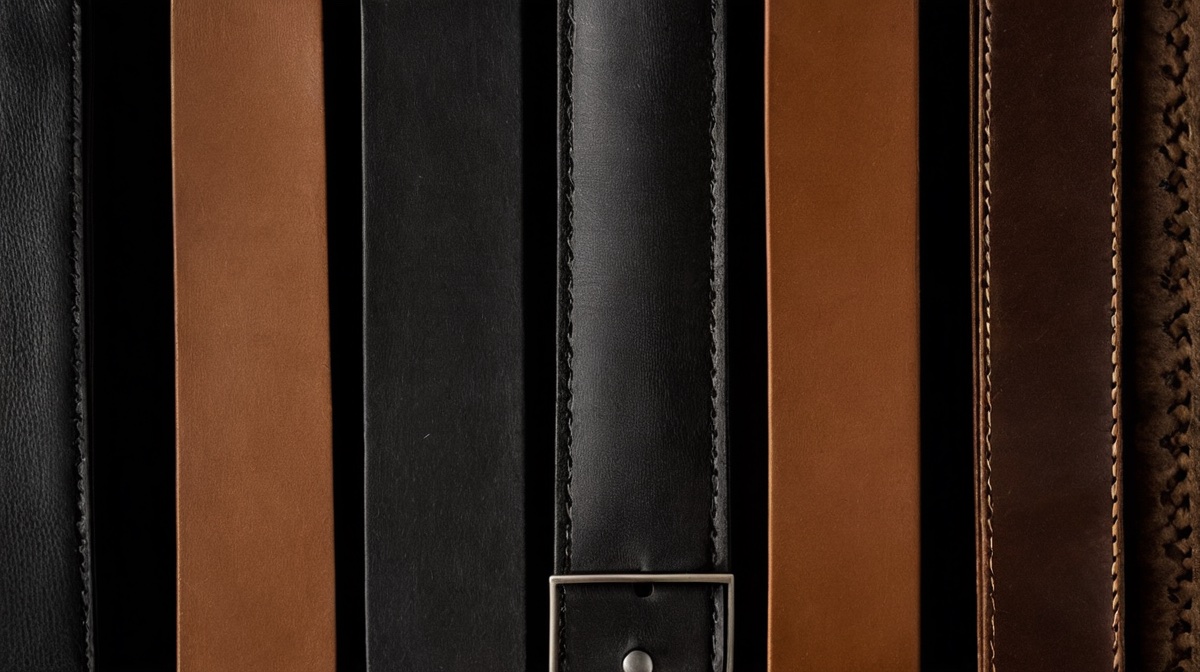
Material sets the character of the collar. Leather is warm, flexible and comfortable against the skin, and it ages with wear. Steel is cooler, harder and more permanent in feel, and it takes a polish that leather cannot. Fabric and other materials sit around the edges for specific looks.
Each has trade-offs in comfort, care and durability, which we compare in detail in leather vs steel collars. If you already lean one way, the leather collars and steel collars sections go deeper on each. One practical point: if you or your partner react to certain metals, choose hardware with nickel allergy in mind, since a reaction against the throat is genuinely miserable.
Fit, hardware and safety
A collar only works if it fits. The standard guide is the two-finger rule: you should be able to slide two fingers between the band and the neck comfortably. Too loose and it rides and rubs; too tight and it is unsafe. Sizing deserves its own careful read, which is why we wrote collar sizing and fit.
Hardware is the next decision. Buckles, rings and locks each suit different uses, and cheap fittings are the first thing to fail. Above all, keep safety in view. Never leave anyone unattended in a locking or heavy collar, keep a key or quick-release within reach, and read our full collar safety guide before buying anything that fastens shut.
Where you can, handle a collar before committing, or buy from somewhere with a sensible returns policy, since fit and feel are hard to judge from a photo. Pay attention to the edges and the finish, because a rough edge or a sharp buckle that looks fine online can chafe in daily wear. A few minutes checking these details saves a collar that ends up sitting unused in a drawer.
Choosing it together

If the collar marks a shared bond, choosing it together is part of the meaning, not a chore to delegate. Trying pieces on, talking through materials, and agreeing on the look turns the purchase into something both people are invested in.
It also produces a better result, since fit and comfort are personal and the wearer’s opinion is the one that counts most. Our guide to choosing a collar together covers how to make that a good experience rather than a negotiation. Take the decisions in order, purpose first, and a collar that once felt like an overwhelming choice becomes a fairly simple one. Work through purpose, material, fit and hardware in that sequence, lean on the Catalog to see how real types differ, and you will end up with a piece suited to your actual life rather than to a passing impulse.
Questions people ask
What is the first thing to decide when choosing a collar?
Purpose. An everyday piece needs to be discreet and comfortable for long hours, a collar for scenes needs strength and secure attachment points, and a formal collar leans towards something special and lasting. Once you know the job, material and hardware narrow down on their own.
Does the material really matter?
Yes. Leather is warm, flexible and comfortable but needs conditioning, while steel is cooler, harder and nearly maintenance-free. If you or your partner react to certain metals, choose fittings with nickel allergy in mind, since a reaction against the throat is miserable.
How do I know it will fit before buying?
Measure the neck and apply the two-finger rule, so you can slide two fingers between the band and the neck once it is fastened. For a first collar, prefer an adjustable style with a buckle or sizing links so you can fine-tune the fit.
Take it past the page
Guides give you the shape of it. People give you the rest: how they chose, how it fits, what a collar came to mean for them. Find others who wear one and are happy to talk.
Find people who share it →