Collar safety: the rules that keep wearing one safe
Collar safety comes down to a few firm rules: keep the fit to the two-finger rule, never leave anyone unattended in a locking or heavy collar, keep a key or quick-release within reach, protect the throat and airway, and check the hardware before every use.
A collar sits over the throat, one of the more vulnerable parts of the body, so a handful of safety rules are not optional extras. They are the baseline that lets everyone relax and enjoy the piece. The good news is that the rules are simple, and once they become habit they take no real thought at all.
This guide gathers the essentials in one place. None of it is complicated, and all of it matters, so read it before buying anything that fastens shut.
Fit: the two-finger rule
Fit is the foundation of safety. The standard check is the two-finger rule: once the collar is fastened, you should be able to slide two fingers flat between the band and the neck. That gap leaves room to breathe and swallow comfortably while keeping the collar from sliding around.
A collar that is too tight can press on the throat and is genuinely dangerous, so err towards a touch loose rather than snug if you are unsure. A collar that is far too loose brings its own problems, catching and turning as it rides. For the full method of measuring and sizing, see our guide to collar sizing and fit, which is sensible reading before any purchase.
Locking and heavy collars: never unattended
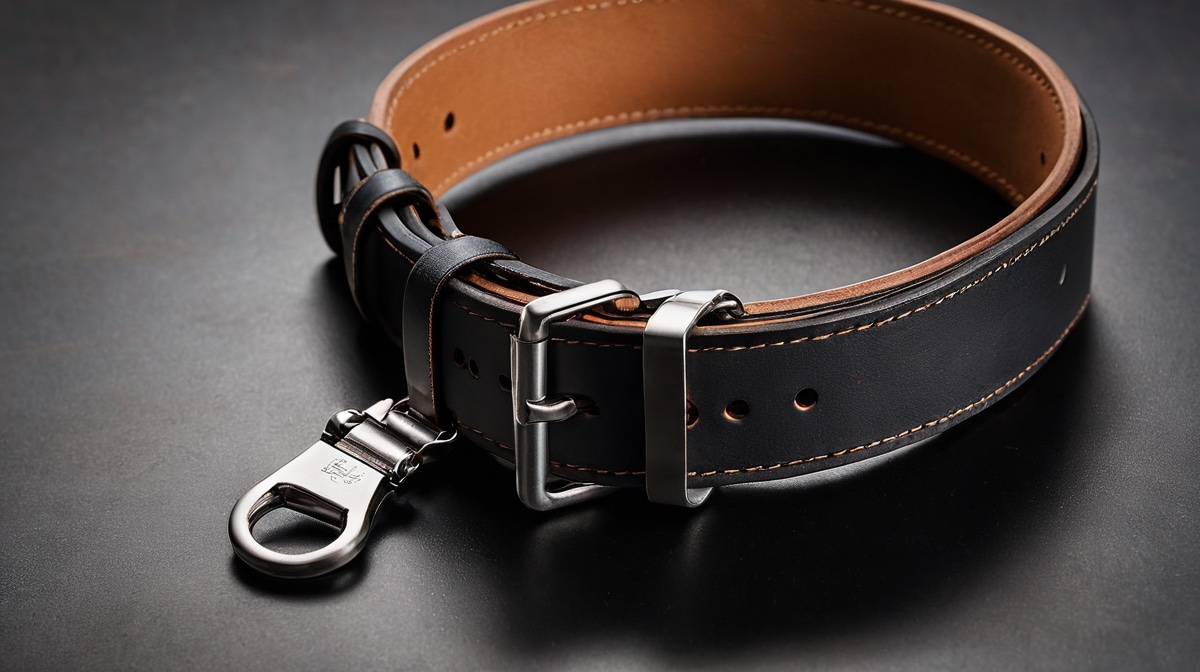
Locking collars and heavy pieces raise the stakes. The firm rule is that you never leave someone unattended in a locking or heavy collar, and certainly never let them sleep in one. Situations change, and a collar that cannot come off quickly turns a small problem into a real one.
If a collar locks, keep the key, or a spare, within immediate reach every single time. Never rely on a lock you cannot open at once. The same caution applies to weight: pieces like locking collars and wide, heavy bondage collars are made for supervised, agreed use, not for wearing off into the day on your own.
Quick-release and emergency planning
For scenes, plan for the collar to come off fast if it has to. Many people prefer a quick-release fastening for play precisely so there is no fumbling in a moment that matters. Keep safety scissors or shears nearby as a backup where a fastening might jam, and agree in advance who removes the collar and how.
A moment’s planning removes most of the risk. Talk through what happens if someone feels unwell or a fitting sticks, so nobody has to improvise under pressure. This kind of forethought is part of choosing the right piece in the first place, which our guide to how to choose a collar covers alongside fit and hardware.
Clear communication belongs in the safety toolkit too. Agree a way for the wearer to signal discomfort at any moment, especially if speech is difficult, and take any such signal seriously and at once. Playing while very tired, unwell or heavily drunk removes the judgement that keeps everyone safe, so it is far better left for another time.
The throat, hardware and allergies

Respect the throat itself. A collar should rest against the neck, not compress the windpipe, and it should never be pulled or jerked in a way that puts force on the airway. Firm, tall styles such as posture collars hold the neck deliberately and must be fitted and used with extra care, and never forced.
Pay attention to the skin, as well. After longer wear, check the neck for redness, chafing or pressure marks, and give the skin a proper rest if you see them. Marks that do not fade, numbness, or a collar that has left a groove are all signs the fit or the wearing time needs to change. The body gives good feedback if you take the trouble to look for it.
Finally, keep the practical details in view. Check buckles, rings and locks before each use, since a failing fitting is a safety issue and not just a cosmetic one. Watch for nickel allergy on anything worn against the skin, choosing stainless steel or nickel-free fittings if either of you reacts. And treat any pinching, marking, breathlessness or difficulty swallowing as an immediate signal to loosen or remove the collar. Browse the Catalog with all of this in mind, and safety becomes simply part of how you enjoy a collar rather than an afterthought.
Questions people ask
How tight should a collar be?
Use the two-finger rule: once fastened, you should be able to slide two fingers flat between the band and the neck. If you cannot, it is too tight and can press on the throat. When unsure, err towards a touch loose rather than snug.
Is it safe to sleep in a collar?
Not in a locking or heavy one. Never leave someone unattended in a collar that cannot come off quickly, and do not let them sleep in it. A light day collar carries far fewer risks, but anything substantial or locking is for supervised, agreed use only.
What should I do if a fitting jams or someone feels unwell?
Plan for it in advance. Keep a key or quick-release to hand, and safety scissors nearby as a backup where a fastening might jam. Agree who removes the collar and how, and treat breathlessness, marking or difficulty swallowing as an immediate signal to remove it.
Take it past the page
Guides give you the shape of it. People give you the rest: how they chose, how it fits, what a collar came to mean for them. Find others who wear one and are happy to talk.
Find people who share it →