Steel collars: cool, permanent, and built to outlast everything
A durable, striking metal collar that excels at permanent and formal wear, and a genuine long-term investment when the fit is right and the metal suits your skin.
Strengths
- Extremely durable and resistant to wear over years
- Clean, striking look that many find elegant
- Well suited to permanent and formal locked pieces
- Easy to keep clean and hygienic
- Holds a precise, deliberate shape
Trade-offs
- Heavier and colder against the skin than leather
- A fixed shape means sizing has to be right the first time
- Cheap steel can contain nickel and irritate sensitive skin
- Rigid edges dig in if the finish is poor
A steel collar is a rigid or semi-rigid collar made from steel, valued for its durability, its clean look and its suitability for permanent locked wear. It suits formal and long-term pieces well, though its weight and fixed shape make correct sizing and a nickel-safe metal more important than with softer materials.
A steel collar is a collar made from metal, usually rigid or semi-rigid, and it is the material you choose when you want something to last. Where leather is warm and forgiving, steel is durable and precise. It holds a clean shape, it shrugs off years of wear, and it suits the permanent and formal end of the Catalog better than any soft material can.
Steel is the material for permanence and for a formal, jewellery-like look. That strength comes with a few honest trade-offs, though: it is heavier, it is colder against the skin, and its fixed shape leaves no room for a sizing mistake. Get those right and a steel collar can be a piece you wear for decades.
What steel does well
Durability is the headline. A well made steel collar can outlast every leather piece you own, resisting the wear and stretch that soften a leather band over time. It is easy to keep clean, it does not soak up sweat and oils the way leather does, and a polished finish has a formal, jewellery-like quality many people love.
Steel also enables designs leather cannot. A solid metal piece is what makes a genuine eternity collar possible, and it gives a formal collar a precise, deliberate shape that stays put. If permanence or a clean formal look is the goal, steel is the natural material.
Who it suits
Steel suits people who want a lasting or formal collar and are happy to trade a little comfort for durability and looks. It is a strong choice for a long-term symbolic piece, and for anyone who likes the cool, deliberate feel of metal against the skin.
It makes a less obvious first collar. The weight, the fixed shape and the exacting sizing make it less forgiving than leather, so many people meet steel after they already know they like being collared. If you are just starting, a comfortable leather collar is the gentler introduction, and you can move to steel once you know your size and your preferences.
Grades, finish and hardware
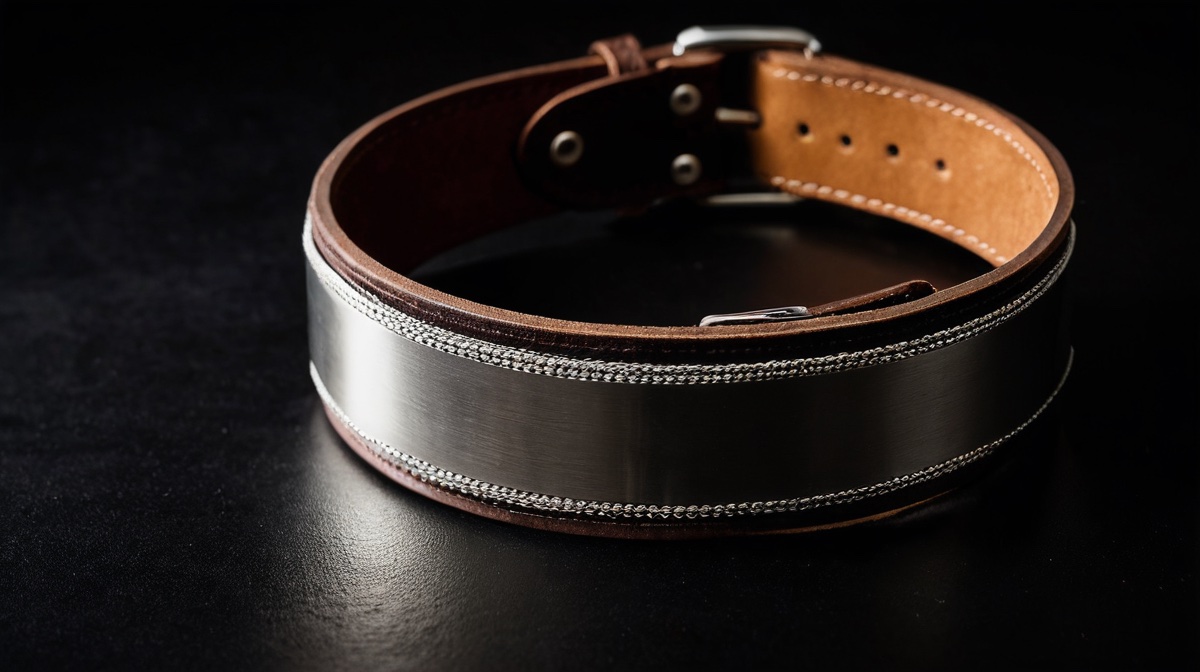
The grade of steel is what separates a collar you will treasure from one that irritates your skin. Surgical stainless steel is the dependable choice, hard-wearing and kinder to sensitive skin. Cheaper steel and unmarked alloys are where nickel hides, and since a metal collar sits in constant contact, a reaction shows up faster here than almost anywhere. If your skin flares against cheap jewellery, insist on a stated, skin-safe grade or choose titanium.
Finish matters as much as grade. Smooth, rounded, well polished edges are essential, because a rigid collar with a sharp edge will dig in quickly. Any hinge, lock or clasp should be solid and operate cleanly. Run your fingers around every edge before trusting a steel collar to long wear.
Fit, weight and skin
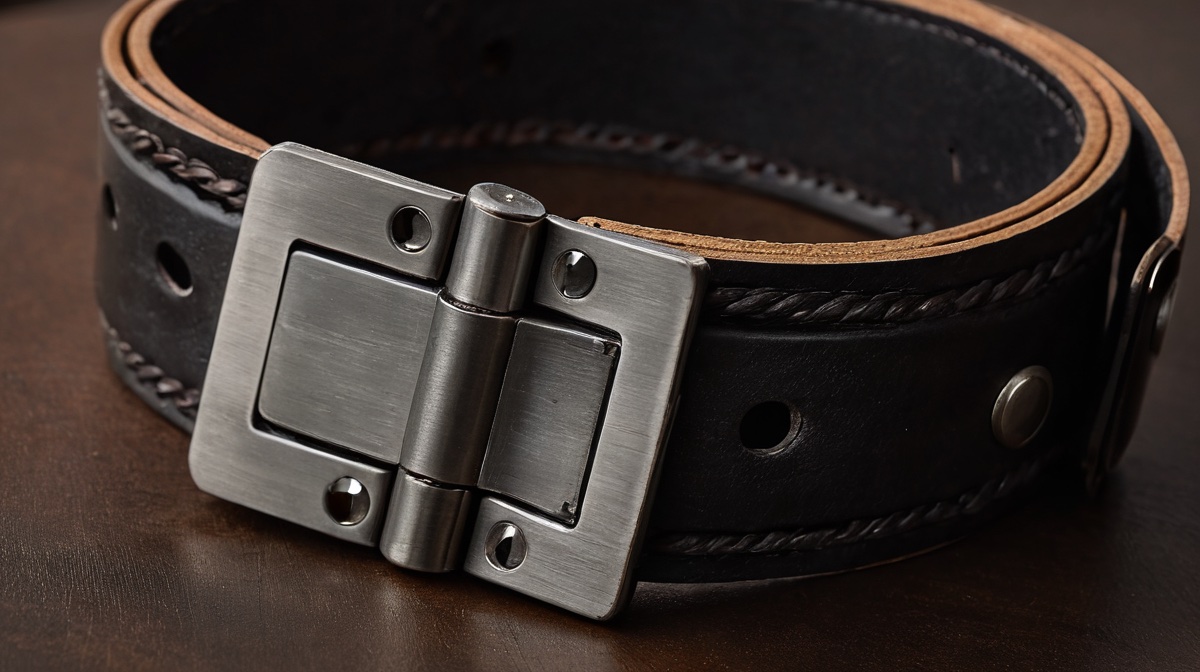
Fit is less forgiving with steel, so treat it as the priority it is. A rigid collar cannot be loosened later, which means it has to be right the first time. Measure the base of the neck carefully, follow the maker’s sizing, and keep to the two-finger rule: two fingers between the collar and your neck, with no pressure on the windpipe. The collar sizing and fit guide is worth reading closely before you buy.
Weight is the other adjustment. Steel is heavier than leather, and while many find that grounding, it can tire the neck over a long first session, so build up wear gradually. Keep the collar clean, check the skin underneath now and then, and if it locks, plan the emergency removal exactly as the collar safety guide describes. A metal collar you cannot get off in a hurry is a genuine risk, however lovely it looks.
How to choose one
Get the grade and the fit right and the rest follows. Choose a stated, skin-safe steel, confirm the finish is smooth all the way round, and size it precisely, since a rigid piece punishes guesswork. Buying links should name the exact grade of steel and, for a locking design, explain how removal works, and a maker who is vague about either is one to skip. If you are choosing between materials, the leather versus steel collars guide compares them side by side. Chosen with care, a steel collar is the one still with you years from now.
Questions people ask
What is a steel collar?
It is a collar made from steel, usually rigid or semi-rigid rather than flexible. People choose it for durability, for a clean and formal look, and because a solid metal piece suits permanent or locking designs in a way soft materials cannot. It is the classic material for a lasting collar.
Do steel collars cause skin reactions?
Only if the metal contains something your skin dislikes, and nickel is the usual culprit. Constant contact makes a reaction more likely, so choose surgical stainless steel or titanium if you are sensitive, and confirm the maker states the metal. Keeping the collar clean also helps avoid irritation.
How do you size a rigid steel collar?
Carefully, because you cannot adjust it later. A rigid collar has to fit correctly the first time, so measure the base of the neck accurately and follow the maker's sizing exactly. The two-finger rule still applies: two fingers should fit between the collar and your neck, with no pressure on the throat.
Weighing up this kind of collar?
Fit and feel are personal, and people who already wear this type will tell you the parts a description leaves out. Ask before you commit.
Find people who wear it →