Caring for a leather collar: cleaning, conditioning, storage
To care for a leather collar, wipe it clean after wear, condition it now and then to keep it supple, let it dry naturally away from heat if it gets wet, and store it flat and out of direct sun. Avoid soaking it, and never dry leather on a radiator.
A good leather collar rewards a little care and punishes neglect. Looked after, leather stays supple, feels lovely, and can last for many years, developing a patina that a new piece cannot fake. Ignored, it dries out, stiffens and eventually cracks. The routine is simple and quick, which is the good news.
You do not need a shelf of specialist products. A soft cloth, a suitable leather conditioner, and a few sensible habits cover almost everything a collar needs.
Everyday cleaning
Most cleaning is just wiping. After wearing the collar, give it a quick pass with a soft, dry or barely damp cloth to lift off sweat, oils and dust, which are what break leather down over time. Doing this regularly does more good than any occasional deep clean ever will.
For a little more, use a cloth lightly dampened with water or a cleaner made for leather, and work gently. Keep water to a minimum, since soaking is one of the fastest ways to ruin leather. Never reach for household cleaners, solvents or alcohol wipes, which strip the finish and dry the material out. Let the collar dry naturally before you put it away.
Before using any product, test it on a hidden spot first, such as the inside of the band near the buckle. Leathers differ, and a conditioner that suits smooth leather can mark suede or a painted finish. If the test patch dries evenly and the colour holds, the product is safe to use on the rest of the collar.
Conditioning to keep it supple
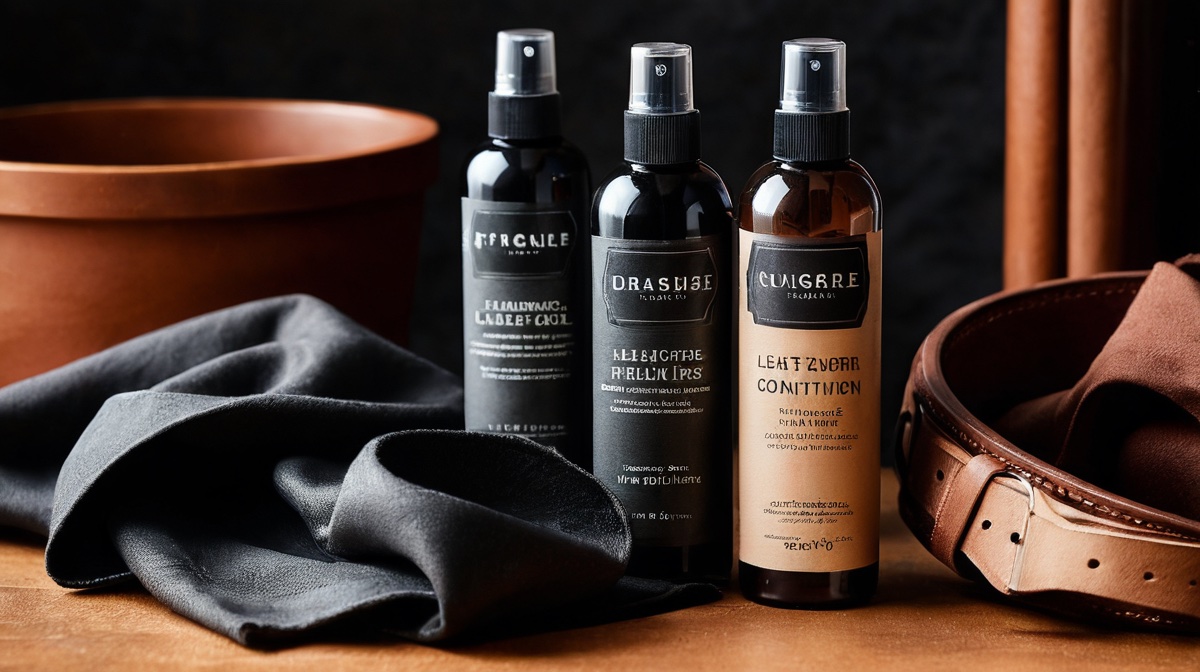
Leather needs oils to stay flexible, and wear slowly removes them. Conditioning replaces them. Every so often, and how often depends on use and climate, apply a small amount of a quality leather conditioner or balm with a soft cloth, working it in with light circles and letting it soak in before buffing off any excess.
Less is more here. Too much conditioner leaves leather greasy and can darken it, so build up gradually rather than drenching it in one go. If the collar starts to feel stiff or looks dry, it is asking to be conditioned. This upkeep is one of the main trade-offs against steel, which needs almost none, a difference we set out in leather vs steel collars.
Different finishes want different care. Smooth, full-grain leather takes conditioner happily. Suede and nubuck prefer a soft brush to lift the nap and should not be oiled, which flattens them. Patent and painted finishes need only a wipe, since conditioner can cloud them. Knowing which finish you own saves you from treating it the wrong way and dulling a good collar.
Drying, storage and what to avoid
If a leather collar gets wet, let it dry slowly at room temperature, away from radiators, heaters and direct sun. Forced heat dries leather too fast and leaves it brittle and cracked. Patience is the whole technique, and there is no shortcut worth the risk.
For storage, keep the collar somewhere cool and dry, out of direct sunlight, which fades and dries the material. Lay it flat or hang it loosely so it holds its shape rather than being crushed under other things. A dust bag or soft pouch protects the surface. The leather collars section notes how different finishes wear, and a day collar worn daily naturally needs this attention most often. If a collar picks up an odour from wear, air it somewhere dry rather than spraying it with scent, which sits on the surface and can stain; time and fresh air do most of the work.
Looking after the hardware
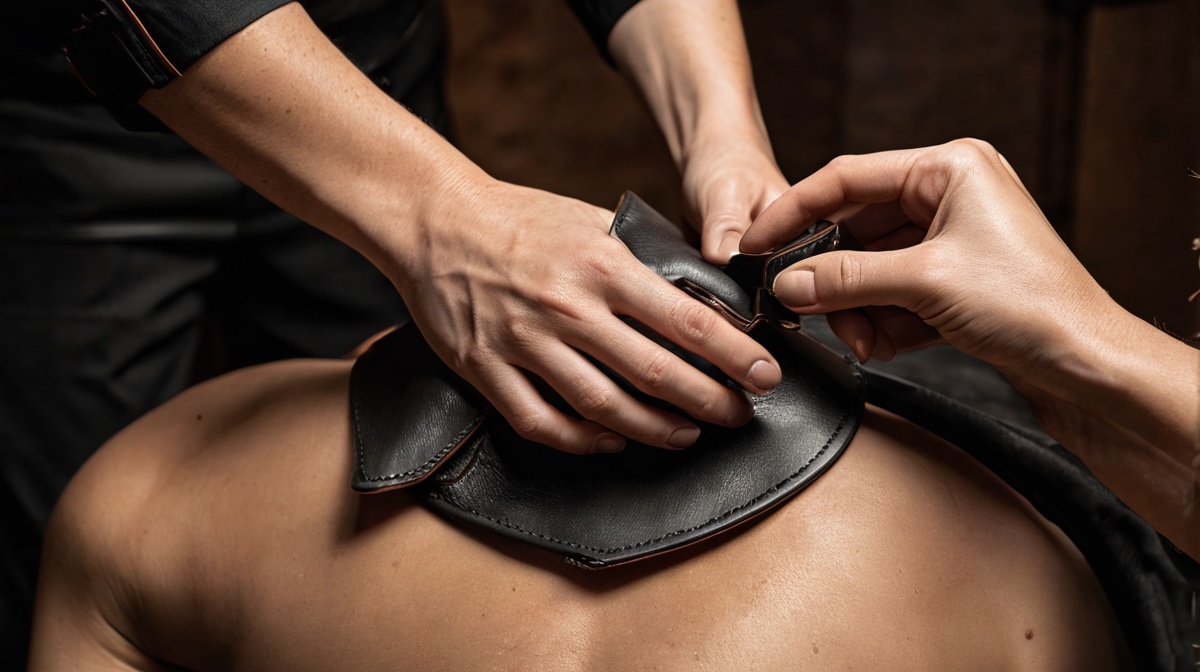
Do not forget the metal. Wipe buckles, rings and clasps when you clean the band, since sweat corrodes fittings as surely as it dries leather. A little care keeps them moving smoothly and looking right, and it lets you spot wear before a fitting fails on you.
Check the join between hardware and leather from time to time, because rivets and stitching are where a collar tends to give out. If you want to understand what you are inspecting, our guide to collar hardware explained walks through the fittings. Keep this routine up and a leather collar stays a pleasure to wear; the wider Catalog covers how other materials compare on upkeep.
Questions people ask
How often should I condition a leather collar?
It depends on use and climate rather than a fixed schedule. Condition it when the leather starts to feel stiff or look dry, using a small amount of quality conditioner worked in with a soft cloth. Less is more, since too much leaves leather greasy and can darken it.
What should I never do to a leather collar?
Do not soak it, and never dry it on a radiator or in direct sun, which makes leather brittle and cracked. Avoid household cleaners, solvents and alcohol wipes, which strip the finish and dry the material out. Keep water to a minimum when cleaning.
How do I store a leather collar?
Keep it somewhere cool and dry, out of direct sunlight. Lay it flat or hang it loosely so it holds its shape rather than being crushed under other things, and a dust bag or soft pouch protects the surface between wears.
Take it past the page
Guides give you the shape of it. People give you the rest: how they chose, how it fits, what a collar came to mean for them. Find others who wear one and are happy to talk.
Find people who share it →